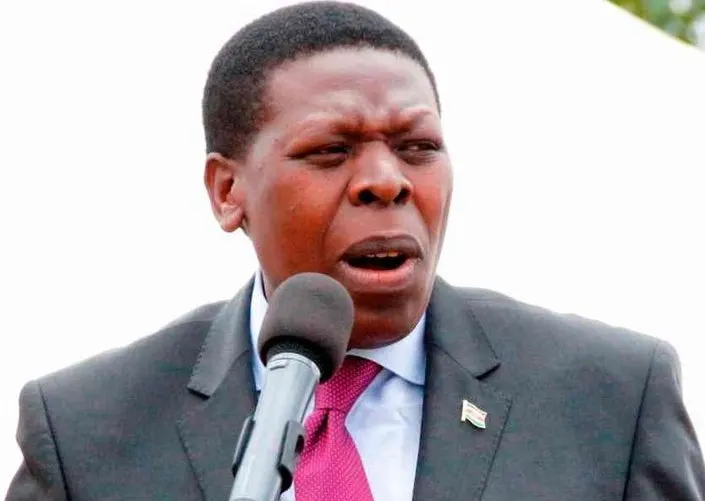
Council of Governors chairman Wycliffe Oparanya says County governments should be allowed to source for drugs and medical supplies from other entities not Kenya Medical Supplies Agency (KEMSA) to enable them to adequately respond to the pandemic.
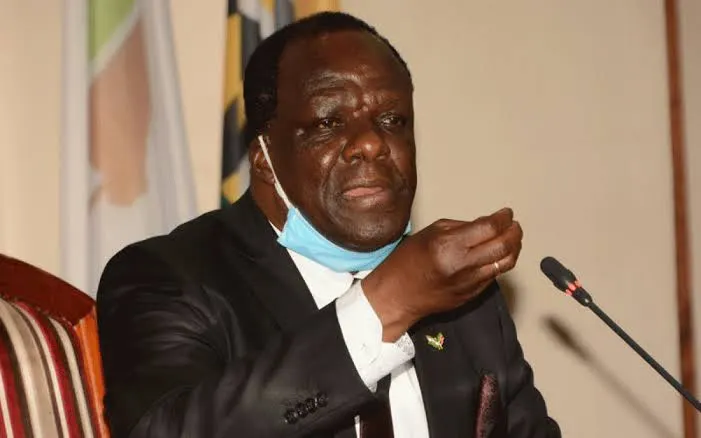
In a statement Saturday, he called upon the High Court to expeditiously dispense the matter challenging the Constitutionality of the KEMSA (Amendment) Act.
“We are currently experiencing an unprecedented crisis which calls for urgent solutions.” He said
Oparanya said it is quite unfortunate that the COVID-19 pandemic has created an avenue for KEMSA officials to engage in corruption there by putting the lives of Kenyans at risk.
“To avoid such eventualities, County Governments opposed the amendment to the KEMSA Act by seeking redress at the High Court to challenge section 3 of the aforementioned Act which requires County Governments to procure both pharmaceutical and non-pharmaceutical supplies from the Authority. “He added
The Chair said this particular section has interrupted service delivery to the Mwananchi as the Authority has failed to fully satisfy medical needs of all the 47 County Governments.
” It is saddening that KEMSA, an independent Authority with obligation to ensure the well-being of the Mwananchi can resort to such unbecoming conduct while the country is facing an international crisis.”
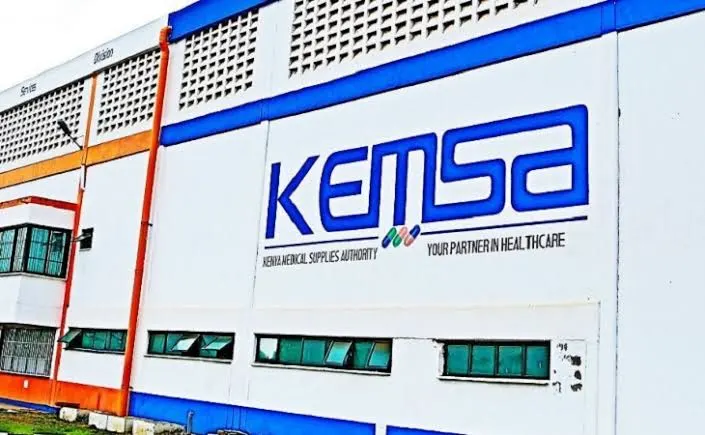
This follows the suspension of KEMSA Chief Executive Officer Dr Jonah Mwangi Manjari, the Commercial Director Eluid Muriithi and the Procurement Director Charles Juma on Friday.
The suspension according to the board is to pave way for the completion of the ongoing EACC investigations on COVID-19 procurements and other related issues.
Edward Njoroge Njuguna, the Operations Director has since been appointed by the board as the acting CEO, while Edward Buluma and Dr George Walukana will be the acting Procurement and Commercial Directors respectively.
EACC is investigating the top officials at KEMSA in relation to a controversial Ksh 7.7 billion tender for the emergency procurement of COVID-19 Personal Protective Equipment (PPEs) that was to be delivered by July 22, 2020.
A preliminary probe by the EACC revealed that KEMSA officials flouted procurement procedures by direct sourcing under the cover of emergency needs, despite the fact that they were given three months to supply as opposed to one month.
Additionally, other companies with less than six months in operation received tenders without credible financial records being presented.
The direct sourcing coupled with other procurement irregularities saw KEMSA procure COVID-19 equipment at double the price.
For instance, a special audit revealed that KEMSA procured over 1.8 million KN95 masks at a cost of Ksh 700 per piece, yet a single mask goes for Ksh 450 on the higher side.
Additionally, the disposable 3-ply surgical masks were procured at Ksh 90 per piece against the market price of Ksh 50 when bought in bulk, with personal protective equipment being procured at Ksh 9,000 when the kits were going for Ksh 4,500 on the market.
On June 23, EACC officers stormed Kemsa offices and carted away documents over suspected procurement irregularities linked to the construction of Ksh 3 billion warehouse.
EACC boss Twalib Mbarak wrote to Manjaari on June 18 seeking to have tender advertising notices, bank tender documents, all bids submitted, tender opening minutes, list of bidders and individual tender evaluation score sheets.
“This commission is conducting investigations into allegations of procurement irregularities at KEMSA in relation to tender KEMSA/CONST/OIT4/2019/20. To facilitate our investigations, kindly furnish us with the original documents relating to the above tender,” said part of the letter to the Kemsa boss.
EACC also requested due diligence report, professional opinion, tender award notifications and regrets, acceptance letter from the winning bidders, contract agreements, inspection and acceptance certificates, payment vouchers and appointment letters to committees.
A joint audit report by the United States Agency for International Development (USAID) and the Global Fund said there were massive financial and procurement irregularities at KEMSA.
It said the organization was taking advantage of its monopoly in supplying drugs to public health facilities to overcharge counties by as much as 77 per cent for some drugs.
The audit proposed restructuring the entire procurement system and the establishment of a new accountability system.
KEMSA currently serves 371 hospitals, 4,415 rural health facilities and 5,047 sites that offer rapid testing across Kenya.
KEMSA, which falls under the Ministry of Health, offers procurement, warehousing and distribution services for medical commodities for clients like USAid, World Bank and the Global Fund.