 The cattle rustling menace has become a deadly multi-billion shillings business. It is not restricted to the Kenyan borders particularly the Northern Rift Valley and Northern parts of Kenya regions. The deadly business spills over the Kenya – Uganda border both ways.
The executers are armed to the teeth with mostly AK 47 automatic rifles fully supplied with sufficient ammunition that they have refused to surrender to the governments of Kenya and Uganda. That is despite numerous operations to confiscate these guns from civilian hands.
The rustlers’ bullets have not spared civilians and equally armed security forces fighting to end the rustling menace. When the deadly bullets fly killing both civilians and security officers, thousands of livestock are stolen. In many cases hundreds in single deadly operations executed by the raiders day or night.
It has since emerged that the rustlers are simply soldiers and footmen for the real godfathers behind the local and cross border cattle rustling cartels. The godfathers supply them with guns and ammunition bought on the black market. The heavy duty trucks to transport the stolen livestock to far away markets even out of the country.
The cattle rustling Dons are shadowy, highly secretive, but very deadly to any threat of exposure or interference of their multi-billion shillings business. They are sleek and driven in expensive four wheel drive off road cars but with vast network connections for marketing their stolen booty both locally and outside.
Accusing fingers have pointed to senior government and even security officials of being part of the deadly rustling cartels, politicians and well-heeled but highly un-touchable businessmen.
It is estimated that livestock farmers lose up to Kshs. 3 billion shillings as a direct result of cattle rustling. The amounts could be more considering the fact that there are many cases that go un-reported.
Our investigations reveal that is just the tip of the iceberg because it is clearly emerging that cattle rustling is a deadly multi-billion shillings business. That is why the rustlers and even the herders who are also armed to allegedly ‘protect their livestock and themselves’ have totally refused to surrender their weapons to the authorities.
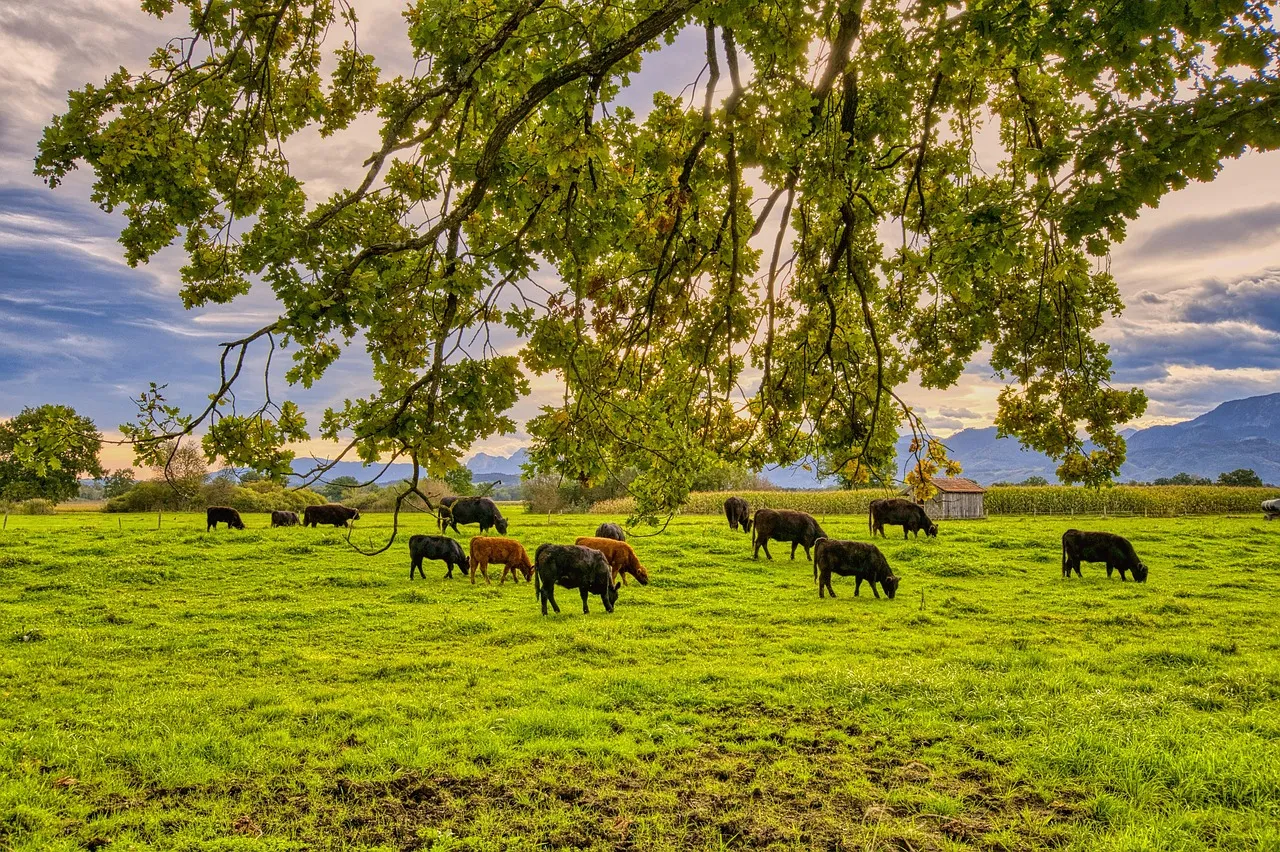
The livestock targeted in this deadly game are cattle, especially the zebu breed for its beef, goats, sheep, camels and in recent operations even donkeys are also not being spared. Heavy duty trucks or Lorries reportedly play a critical role not only in transporting the stolen animals to the markets over long distances, but also escaping from any security forces that may be pursuing the rustlers.
Investigations by this writer established that the rampant cattle rustling axis in these regions is entrenched in Pokot, Turkana, Baringo, Marakwet, and Laikipia counties with spill overs to the Karamoja region in Eastern Uganda, lower South Sudan and Ethiopia that are also hit by the menace.
The notorious overland route of the rustled cattle is through the porous boundaries of these countries with the ultimate destination being Sudan and finally Khartoum where the animal prices are like that of gold at its peak.
From there they are slaughtered as halaal beef for the mostly hungry Islamic markets in the North African countries and the Middle East. The most critical factor being most of these countries are either arid or desert conditions which cannot sustain the rearing of cattle, sheep and goats but the demand for fresh meat and beef is ever high.
It is from this destination that weapons are smuggled backwards to the sources of the animals where the guns are secretly battered – a gun for a certain number of cattle, goats, or sheep depending on how the dealers agree including the prevailing supply demand market forces.
The practice was once previously classified as inter-community problem pitting the Pokots, the Turkana, Marakwets, Baringo and Laikipia ethnic groups in Kenya and the Karamoja in Uganda that is no longer the equation.
Indeed the situation is so serious that Uganda’s President Yoweri Museveni is on record while on an official visit in Kenya asked Kenyans to stop stealing his livestock in Eastern and North Eastern Uganda not to mention the frequent interventions by Kenya’s President Uhuru Kenyatta.
Insider sources speaking on condition of anonymity for their personal security reasons revealed that the stolen animals are transported locally for sale on market centres far away from the cattle rustling prone regions.
These include counties like Kakamega, Vihiga, Bungoma, Busia, Nairobi, Garissa, Wajir, Meru, Muranga, Nyeri, Kiambu, Nyandarua, Taita Taveta, Kisumu, Kisii, Nyamira, Migori, Siaya, Malindi, Kilifi, and Mombasa among others.
The prices of cattle, sheep, goats, camels and donkeys vary but with minimal differences on the livestock markets found in these counties. They usually range from between Kshs. 20, 000 for the cheapest head of cattle to Kshs. 150, 000 for the same depending on the location.
These are prices for the zebu breed which is preferred for its succulent beef and ability to endure and survive under very tough conditions compared to the grade cattle whose prices ironically tends to be higher comparatively.
A senior security officer who declined to be named said: “We are aware of the fact that some of these rustled animals are slaughtered and the beef finds its way to highly lucrative markets in the Middle East where the population of cattle is minimal but the demand for beef very high.”
He said the story does not stop there since some of the animals are sold at higher prices compared to those of the local markets to Middle East and North African countries middlemen and brokers who consign them to cargo ships for shipping to the designated countries.
Indeed as recently as last month, the Rift Valley Regional Coordinator Wanyama Musiambo declared that the local security agencies had unearthed a cartel that is believed to be behind cattle rustling in Laikipia and Baringo Counties.
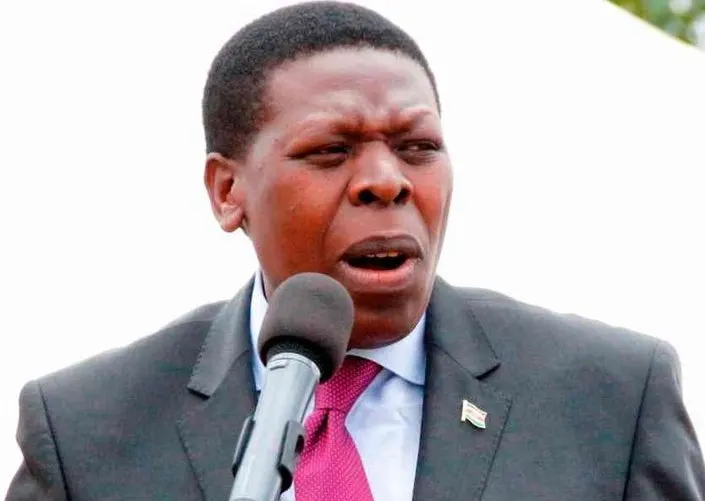
Mr Musiambo was widely quoted as saying: “According to intelligence reports the suspects are part of a cartel that sponsors the cattle rustlers with firearms and Lorries to ferry the animals to slaughterhouses in different areas.”
He says that the government has identified the cartels and will destroy their cells stressing that: “We will deal firmly with cattle rustlers across the Rift Valley region. They are the cause of insecurity in most parts of Baringo, Laikipia and the North Rift areas at large.”
The Regional Coordinator says that police are tracking cattle raiders who stole animals from 15 ranches in Laikipia County in a period of less than one month, not forgetting the fact that last year Laikpia multi-million cattle ranches bore the brunt of the rustling problem.
Statistics from the Livestock Department show that despite livestock owners in Kenya losing up to Kshs 3 billion every year mainly through cattle theft, few attempts have been made to study the organization of cattle rustling in the country, although rustling as an entrepreneurial crime has been the subject of a growing body of literature
The Kenya Human Rights Commission E. Cheserek reported that there is evidence that organized crime groups (OCGs) are becoming more adept at exploiting criminal opportunities that present themselves in the remote rural northern area of Kenya.
Mr. Cheserek says: “There is increasing evidence that it is becoming a more organized and sophisticated crime that is planned and implemented by networks of entrepreneurs. There is then an entrepreneurial dimension to the crime in parallel with the insider knowledge required to be successful.”
He continued: “It has degenerated into a pattern of organized crimes with immense criminal intricacy, intermittency and efficiency.” That effectively summarises how serious the cattle rustling problem has exploded into a deadly multi-billion shillings business.