
Posts by Musa:
NEMA and WARMA Trigger a Storm Questioning Their Actions
October 22nd, 2018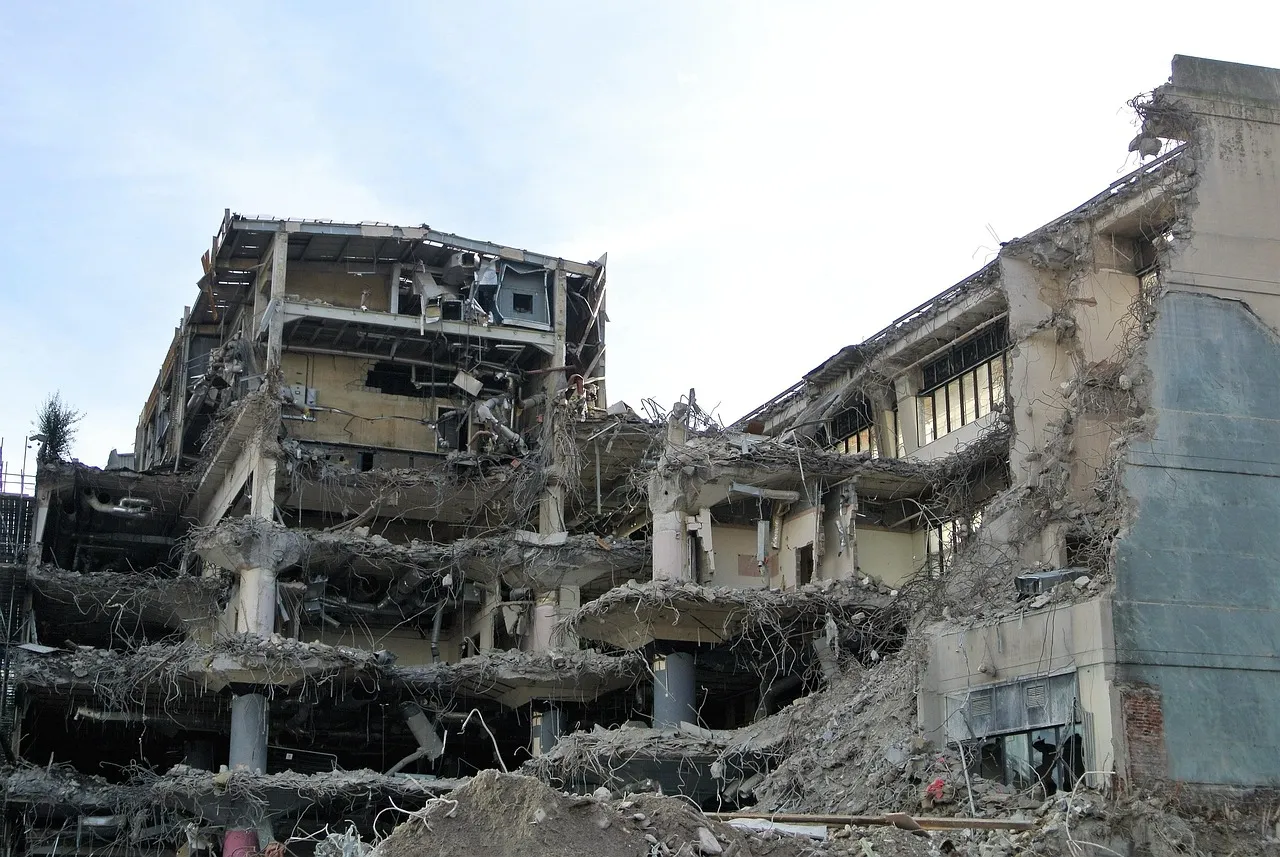
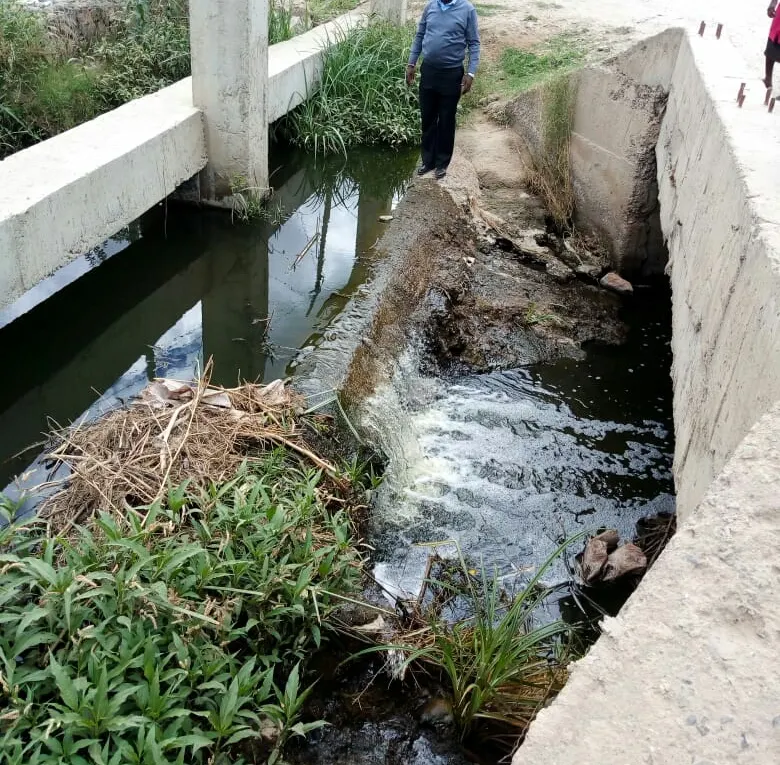
The Water Resources Authority (WRA), formerly known as Water Resources Management Authority (WARMA) and National Environmental Management Authority (NEMA) have triggered a storm that brings into question the legality of many of their ongoing demolitions of multi-billion shillings buildings particularly in Nairobi.
It also brings into question whether some top operatives of the two authorities are using their positions to abuse the powers and privileges those offices have granted them in executing their duties with rampant impunity.
Rai Group Targeting To Grab Mumias Sugar
July 26th, 2018
The Multi-billion shillings worth Rai Group wants to acquire the country’s largest ailing miller Mumias Sugar Company to control the country’s sugar industry.
The Western Parliamentary Group Caucus Chairman, John Bunyasi says there are covert and overt deliberate and systematic machinations and manipulations clearly indicating that the Rai Group was keen to acquire Mumias Sugar once it falls under the hammer of auctioneers.
Huawei Service Centres Stealing From Unsuspecting Customers
July 16th, 2018The Huawei mobile handset service providers are creaming hundreds of thousands of shillings from ignorant un-suspecting customers who go to their service centres to fix their phones.
It has emerged that the technicians at the centres literally fail to identify the real problems of the customers’ handsets may be having but give the customers wrong information and advice on how to fix the problems.
Kidero On The Spot Over Mumias Sugar Billions
July 12th, 2018
The immediate former Nairobi Governor Evans Kidero is to face legal action from the Capital Markets Authority (CMA) over Kshs. 3.1 billion that was looted from the giant Mumias Sugar Company during his tenure as Chief Executive officer of the company.
According to a detailed press release from the Authority the other former senior manager who is targeted is Paul Kimutai Murgor and former member of the board of directors peter Hongo who were found directly implicated in the loss of the billions after a forensic audit commissioned by the CMA.
The statement signed by MPRSK head of Communications Anthony Mwangi reads in part: “The Capital Markets Authority conducted a forensic investigation through J Miles & Company. The forensic auditors reviewed the financial and governance operations of the company for ten years, between 2006 to 2016.”
The Untouchable Rai Family Sued For Contempt
June 13th, 2018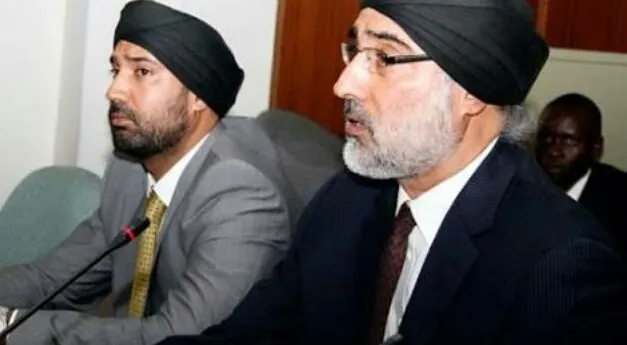
The untouchable Moghuls and power brokers of the country’s beleaguered sugar industry the Rai Group owners of West Kenya Sugar Company Ltd have been put on the firing line by the latest entrant into the industry.
Mumias Sugar CEO’s Suspension Triggers Fury, Outrage & Uproar
June 11th, 2018
The suspension of the Mumias Sugar Company Chief Executive Nation Aseka has triggered the eruption of more critical questions, rage, fury, anger, uproar and outrage than answers over the surprise move by the Board of Directors of the cash strapped giant.
It also appears to have thrown a deadly spanner into the powerful under currents of the perennially endless and forever broiling sugar industry politics and brought them to the fore at long last.
The most critical question of all the questions being posed by stakeholders is what tangible and concrete evidence or reasons did the company’s board have to take that “drastic” action against the only person qualified to salvage that company from its financial mess?
West Kenya Sugar’s Deadly Road Accident Massacres
June 9th, 2018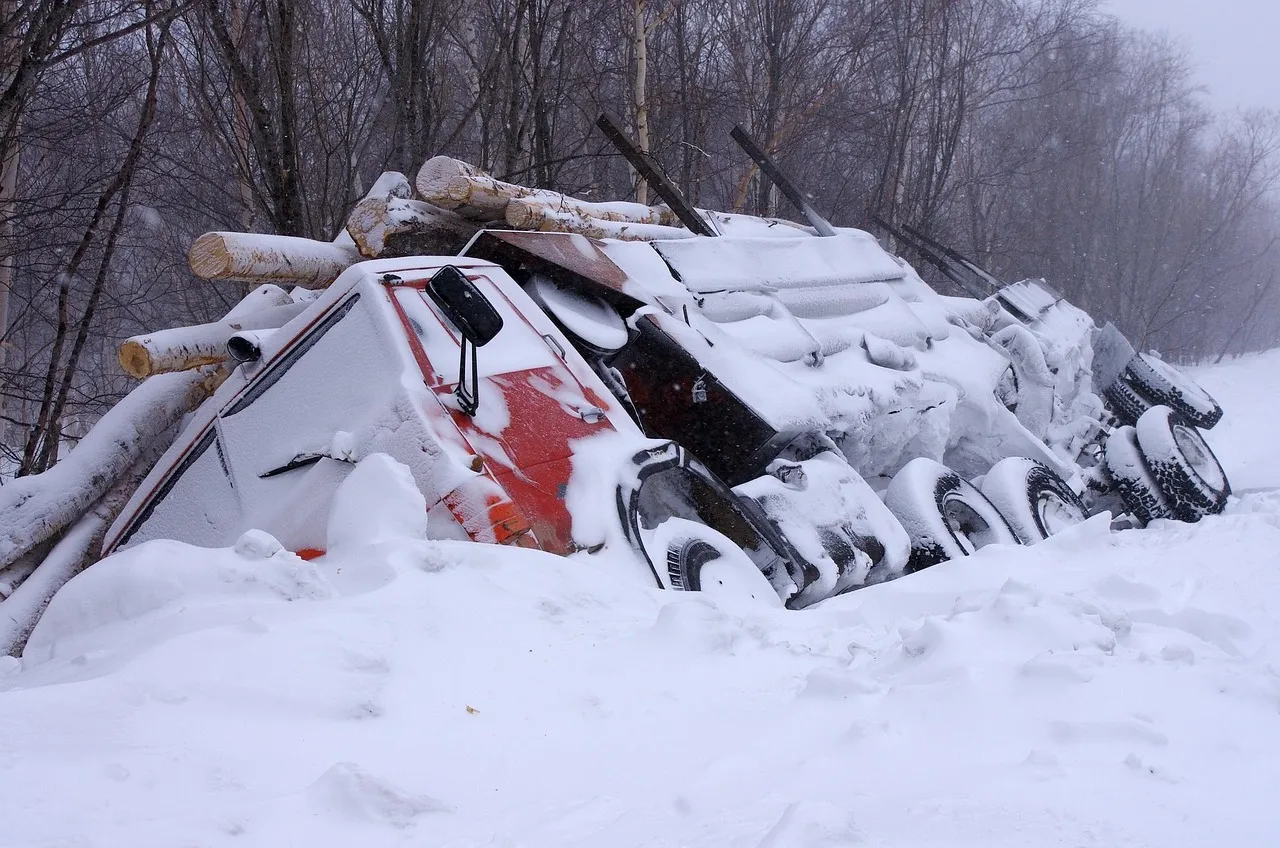
A deadly phenomenon of road accidents involving trucks and tractors transporting sugarcane for West Kenya Sugar factories has erupted in Western Kenya sending chilling shock wave alarms across the region.
Chilling shockwave alarms because the perpetrators of the accidents appear to doing it with reckless impunity and getting away with it because of the powerful financial and political influence of the owners of the factories – the Rai Group.
Court Battles Cripple Commissioning of Busia Sugar Factory by More than a year
May 15th, 2018 “A deadly threat to prospective investors in future”
Endless vicious legal battles have delayed the commissioning of the more than Kshs. 4.6 billion Busia Sugar Industries (BSI) sugar factory for more than a year.
The commissioning of the factory was supposed to be done last year in May by President Uhuru Kenyatta, but as we go to press that remains a pipedream as the sugar industry regulator has thrown the spanner in the works.
Ugandans Flood Kenya for Medical Services
April 19th, 2018 The men, women and children both young and old daily troop to Kenya from all corners of Uganda. They cross the border on foot, motorbikes, bicycles, private cars and ambulances their destination – Kenyan hospitals.
The most favoured are those in Busia County both private and public and especially in Busia and Malaba towns on the Kenya – Uganda border. The main reason being the towns’ proximity to patients’ homes in various parts of Uganda particularly for those seeking medical services.
The medical facilities in the neighbouring Bungoma County are also not spared since that town is only a few kilometres from the Kenya-Uganda border with a major highway running through it with connections to Uganda’s Tororo, Mbale, Soroti, Moroto, Kapchorwa areas among others.
Investigations by this writer established that most of these patients troop into Kenya from not only Busia district of Uganda, but also Bugitri, Busoga, Majanji, Iganga, Palisa, Kumi, Kapchorwa, Mayunge, Kotido, Moroto districts among others.
Many patients we talked during the investigations confirmed that they had travelled as far as from these areas in Uganda to seek medical services from the Kenyan medical institutions because in Uganda they were scarce.
That this has been the practice for decades and there appears to be no end in sight in the immediate foreseeable future. That points to an ever increasing flow of those seeking medical attention in Kenya from Uganda as the populations continue increasing every expiring year.
It is also true that apart from their numerousness, the medical institutions in Kenya are more advanced and equipped with medical supplies, technology, equipment, medical amenities and personnel compared to the few available in our neighbouring country.
They also established that the most critical issue here is the fact that Kenya has more medical facilities both private and public hospitals compared to Uganda. Whereas in Kenya public health facilities can be found right from locational, divisional, district, county and former provincial levels, in Uganda the situation is not the same.
At the same time comparatively, whereas in Kenya there are many private especially mission or church (Faith Based Organizations), group, commercial organizations and individual owned hospitals, the reverse situation is prevailing in Uganda forcing many nationals of that country to seek medical attention in Kenya.
According to the Busia County government Cabinet Executive for health Maurice Siminyu on a daily basis an average of about 100 Ugandans cross the border into Kenya to seek for medical services in Busia County alone adding that the County Government started documenting the patients flow from Uganda to have proper and accurate statistics.
Dr. Siminyu says: “The numbers may go higher or lower depending on the disease incidence occurring in that country. If there is any major disease outbreak in Uganda our health facilities will definitely be under extreme pressure, because we play a big role in providing health services for our neighbours.”
He says in Busia County alone, the most targeted hospital is the County Level 4 Hospital that was formerly the Busia District Hospital serving the entire larger Busia district before it was fragmented that is now Busia County.
The County Health Executive says that Ugandans are charged an average of at least 50 per cent above the charges levied Kenyans since they are not nationals and they are easily identified since they cannot produce Kenyan national identity cards.
“There are other sub-county hospitals which are also visited by Ugandans especially if they are suffering from common minor ailments like Kocholia Sub-County Hospital, Sio Port Sub-County Hospital, Alupe Sub-County Hospital, Nambale Sub-County Hospital, Khunyangu Sub-County Hospital, Bumala “B” Sub-County Hospital and Port Victoria Sub-County Hospital,” he said.
Most of these facilities were established in the 1970s by the post-independence government starting merely as Health Centres, but over the years most have developed into either fully fledged public hospitals or sub-hospitals and still growing.
Most ordinary Ugandan patients seeking medical attention in Kenya prefer going to the public health institutions over the private ones because of the cost implications involved. Though they pay higher medical fees compared to their Kenyan counterparts for being foreign nationals in public hospitals, it’s cheaper that those they have to pay in private ones though fixed for everybody.
The charges also depend on the ailments diagnosed and the prescriptions of drugs required for treatment. That also includes admissions for in-patients and the duration of their stay with Ugandans paying higher rates than their Kenyan counterparts.
There are other private popular medical institutions like the St. Elizabeth Hospital in Funyula Sub-County, Tanaka Maternity and Nursing Home in Busia town, PESI Medical Centre, Bulanda Maternity and Nursing Home.
Dr Siminyu says that most patients trooping to Kenya from Uganda to seek medical treatment are usually suffering from common ailments like malaria, water borne diseases, orthopaedic casualties, and infectious diseases, amongst many others.
He says the services they seek start from diagnostic, laboratory, treatment, access to a wide range of medicine or drugs, theatre operations, among many others.
In Uganda there is only one private hospital in Busia district called Red Cross in Busia town operated by the Uganda Red Cross which does not have the capacity to handle many in and out patients.
As a matter of fact most critical cases going there for treatment beyond its capacity are rushed by Red Cross ambulance to the Kenyan hospitals – particularly the Busia County Level 4 Hospital with higher capacities among others.
This facility is less than an average Health Centre on the Kenyan side and does not have the capacity to handle many patients both resident and non-resident at the facility, yet it is expected to serve a very huge area of the Eastern parts of Uganda.
Otherwise all the neighbouring districts and counties do not have hospitals either private or public like in Kenya. Tororo town about 25 kilometres from Busia town in Uganda is the only one which is reputed to have a hospital specialising in eye care.
Indeed many Kenyans from both Busia and Bungoma counties including neighbouring ones like Siaya troop there for eye treatment instead of travelling over long distances of more than 100 kms to St. Elizabeth’s Mission Hospital Mukumu in Kakamega County to seek eye treatment.
According to the Resident Commissioner Busia district Uganda Mr. John Katerega comparatively successive governments in his country since its independence have not invested heavily in that country’s health sector.
Mr Katerega says: “Right from independence we did not have an elaborate public or private health development plan like Kenya. One that spread all the way from the national level to grassroots administrative and geographical units.”
He says the country has one major national hospital called Mulago based in the capital city Kampala, but virtually all other major administrative and geographical regions like Jinja, Mbale, Soroti, Gulu, Mbarara, Tororo among others did not major health facilities like Kisumu, Kakamega, Eldoret, Nakuru, Mombasa among others in Kenya.
The Resident District Commissioner says that although his country’s government many development programmes to develop its health sector, Kenya was way ahead and plays a major role in providing medical services to its nationals.
Our investigations also established that another area that is still wanting in Uganda is that of provision of mortuary services for the deceased forcing many Ugandans either to use mortuaries on the Kenyan side or rush to bury their dead.
In Busia town alone which spans across the border between Kenya and Uganda there is no single mortuary on the Ugandan side whereas on the Kenyan side there are two – one at the County Level 4 Hospital and the other at the privately owned Tanaka Maternity and Nursing Home.
Double Health Investments to Achieve Universal Health Coverage
April 18th, 2018
The health sector requires more than Kshs. 120 billion annual investments to achieve the government’s ambitious Universal Health Coverage (UHC) programme for every Kenyan, the Kenya Health Forum (KHF) conference has declared.
Therefore the government should double its annual budgetary allocations that should go to the development of various critical areas of the sector right from the national to the county levels, especially in those counties previously classified as marginalised.
However, the National Treasury reports that in the current fiscal year, the government allocated Kshs. 61.9 billion for healthcare services, compared to Kshs. 60.3 billion in 2016/17. This is projected to increase in the medium term to Kshs. 61.9 billion and Kshs. 62.7 billion for 2018/19 and 2019/20, respectively.
The ministry of health professionals, stakeholders and international development partners made the resolutions during this year’s KHF conference in Nairobi which was officially opened by the new Cabinet Secretary for health Sicily Kariuki. Its theme was Accelerating Progress Towards Universal Health Coverage in Kenya.
National Treasury statistics show that allocations to the Ministry of Health and related Ministries, Departments and Agencies (MDAs) stood at Ksh. 41.70 billion in 2013/14, Ksh54.10 billion in 2014/15, KSh61.70 billion in 2015/16, and KSh73.60 billion in 2016/17. The allocation for the current financial year 2017/18 of Ksh61.64 billion is from the 2017/18 budget estimates.
The KHF forum is an annual event that brings together stakeholders from the health partner constituencies to take stock of progress made and discuss issues in addressing the health sector agenda and the way forward for the sector.
The Cabinet Secretary Sicily Kariuki said: “The Government has prioritized attainment of Universal Health Coverage (UHC) to reduce the expenditure burden that a majority of Kenyans incur while seeking healthcare. The Universal Health Care Goal aims at cushioning citizens against out of pocket expenditure on health services.”
She revealed that almost one million Kenyans are pushed to poverty every year as a result of healthcare expenses thus Universal health coverage is a fundamental human rights issue. “Impoverishing health expenditures as a result of high rates of out-of-pocket expenses is a factor of inequality of access to healthcare,” she observed.
Ms. Kariuki said that four out of every five Kenyans have no access to medical insurance and that among the poorest quintile only 3% have health insurance with disparities between rural and urban populations, where rates of coverage are an average of 12% and 27% respectively.
“All this coupled with the fact that 33.6% of Kenyans survive on less than two US dollars per day means that there are still millions who cannot access quality healthcare,” she told the conference.
The CS said that the Government healthcare financing and social health protection approach such as the elimination of user fees, Linda Mama, subsidies for the poor and Health Insurance Subsidy Programmes have been successful.
She said: “These government initiatives combined with the efforts of development partners, the private sector and other key stakeholders have seen Kenya register significant progress in terms of health outcomes such as reduction of maternal and infant mortality and increase in the use of contraceptives.”
The CS called upon stakeholders to increase their investments in healthcare and also commended the county governments for progressively increasing their allocations to health services, from about 13 per cent of the total County Government budget in fiscal year 2013/14, to 25 per cent in the current year 2017/18. “This is laudable effort from the counties and we encourage more counties to continue to increase their allocations to health,” she added.
Ms. Kariuki said her ministry will work together with the County Governments to improve service delivery with a focus on increasing access to affordable and quality healthcare services and thanked the World Health Organization for continued support to the Ministry.
The New Constitution devolved health services to the 47 counties leaving the national government with the function of policy, research and regulation of the sector. Additionally, the national government is responsible for Level Six hospitals, which are mainly referral facilities.
The National Spinal Injury Hospital in Nairobi, Eldoret’s Moi Teaching and Referral Hospital and the Kenyatta National Hospital. The counties are responsible for facilities classified between levels 1 to 5.
The Cabinet Secretary told the conference that the national government will continue to focus on improving the scope and quality of health services available to the population while reducing financial risk associated with use of essential services.
During the conference the CS launched key documents and tools that have been developed to aid the health sector in delivering its mandate. Among the documents launched was the Reproductive Maternal Newborn Child and Adolescent Health (RMNCAH) score card that will be instrumental in helping the sector to keep track progress on performance of health services provided for mothers and children.
Some of the key areas covered during the conference included Overview and Review of the Annual Health Sector Achievements and annual performance 2016/17. Achievements in health sector investments and key challenges concerning Human Resource Development. Investments in infrastructure development, health products and technologies, service delivery, financing, leadership and governance, research and development among others.
Other key speakers during the conference included the ministry’s chief administrative secretary, Dr. Rashid Aman, Peter Tum Kiplagat, the ministry’s principal secretary, the Director Medical Services, Dr. Jackson Kioko, a Lead Health Sector Specialist Prof Khama Rogo Odera, and Prof Miriam Were.
They told the conference that the government must also invest heavily in health human resource development to meet the ever increasing demand as part of its programme to achieve the UHC in the near future.
The emphasis was on the training of specialist doctors in various medical disciplines since at the moment they were very scarce in the country and the few that were available are already an endangered species since they are targets for poaching to practice in foreign countries.
The DMS said: “This is one of the major reasons why the government has been forced to import 100 specialist doctors from Cuba to fill the vacuum that is glaring in our public hospitals across the country.”
He said to catalyse faster achievement for UHC it was also important to increase and streamline vertical and horizontal partnerships across the board as well as heavy integration of all health and other related programmes.
Treasury Cabinet Secretary Henry Rotich said of the more than Kshs. 61 billion health allocations this year, Kshs. 29.090 billion would go to recurrent expenditure and Kshs. 31.179 to development expenditure.
Rotich said: “Kshs. 4.298 billion will go to the free maternity programme while Kshs. 4.5 billion will cater for medical equipment for 98 hospitals. The specialised equipment includes ICU, radiology, theatre and renal equipment as well as surgical sets.”
He said Kshs 8.8 billion will go to Kenyatta National Hospital (KNH), Kshs. 4.8 billion to the Moi Teaching and Referral Hospital and Kshs. 1.7 billion to the Kenya Medical Research Institute (KEMRI). A further Kshs. 2.747 billion will cater for the allowances of intern doctors, BSc nurses and BSc clinical officers.
Ends